
Lumbar Disc Herniation
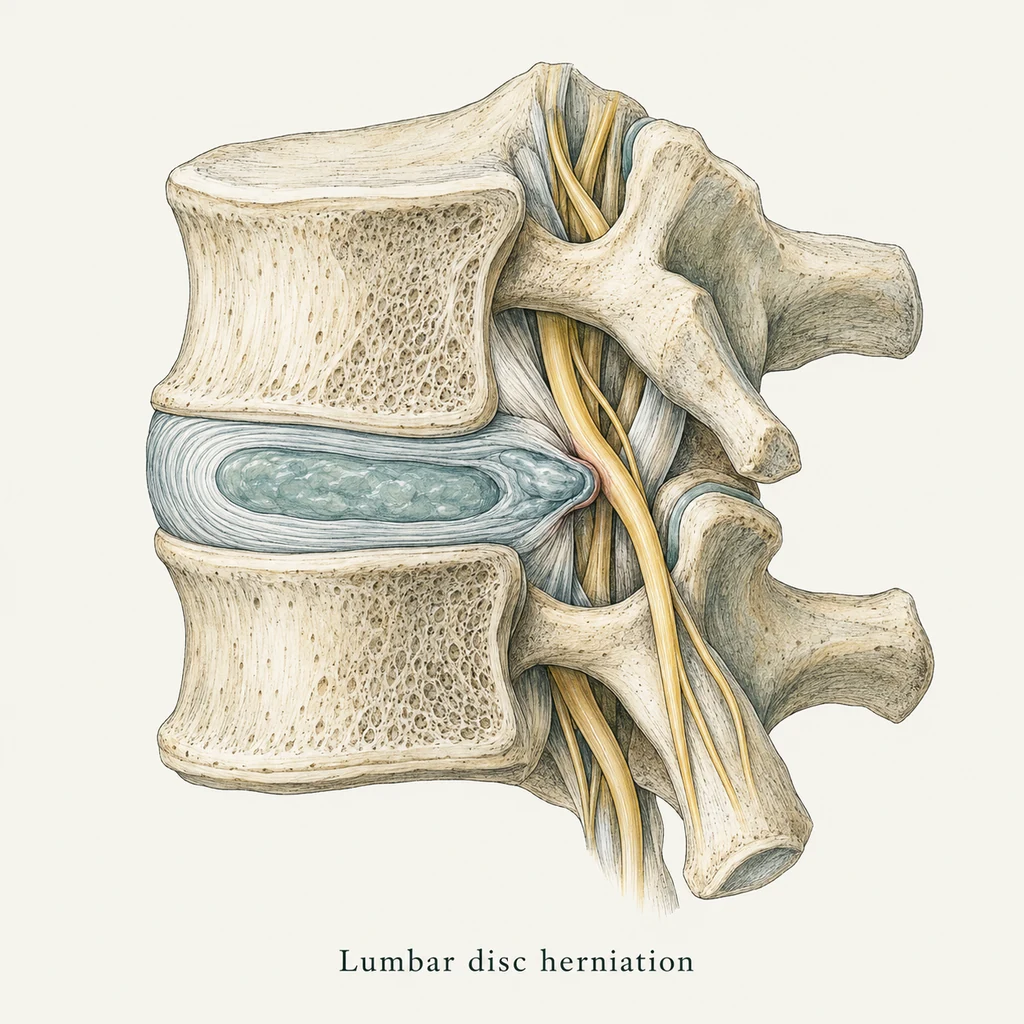
What is lumbar disc herniation?
A lumbar disc herniation happens when disc material extends beyond its usual boundary. It may irritate nearby nerves, producing back pain, sciatica, tingling or weakness, but many disc herniations cause no symptoms. Most people improve without surgery.
What causes lumbar disc herniation?
Age-related disc changes, genetics, repetitive loading, previous injury and sometimes a particular lift or movement can contribute. Symptoms may begin during an ordinary daily activity.
How is lumbar disc herniation treated?
At Alliance Wellness Clinic in Vancouver, treatment is based on your assessment, symptoms and goals. Options include:
Chiropractic Care: Carefully selected mobilization or manipulation, soft tissue therapy, activity guidance and rehabilitation.
Physiotherapy: Directional-preference exercises when indicated, strengthening, movement retraining, nerve mobility work and progressive rehabilitation.
Lumbar Flexion-Distraction: Practitioner-controlled movements and gentle distraction using a specialized manual table for selected patients with disc-related symptoms. It is not motorized decompression and does not promise to reposition a disc.
Registered Massage Therapy: Addresses associated protective muscle tension and discomfort.
Osteopathic Manual Therapy: Hands-on treatment for surrounding mobility restrictions and muscle tension.
Acupuncture: Supports pain management as part of a broader rehabilitation plan.
Class 4 Laser Therapy: An optional adjunct for musculoskeletal symptoms; it has not been established to resolve disc herniations.
When should you seek treatment?
Arrange assessment for persistent back pain, radiating symptoms, numbness or difficulty returning to activity. New bladder or bowel dysfunction, groin numbness or rapidly progressive weakness requires emergency care.
Feel better. Together.