
Conditions we treat.
We help with a wide range of conditions, from everyday discomfort to injury recovery. Explore the information below to understand your symptoms, learn about care options and find the right type of practitioner for your needs.
Find your condition.
Search by name, choose a body area or browse the alphabetical list. Each condition page explains what it is, how care may help and which types of practitioners you can see at Alliance.
Choose a spot on the body or a named area below. Points represent either side of the body.
All conditions
33 conditions
These are related care topics, not a diagnosis. Symptoms can come from another area of the body.
We don’t have a page for that condition yet. That doesn’t necessarily mean we can’t help. Try a symptom or body area, or ask our reception team about the right care.
View all condition descriptions ↓All conditions
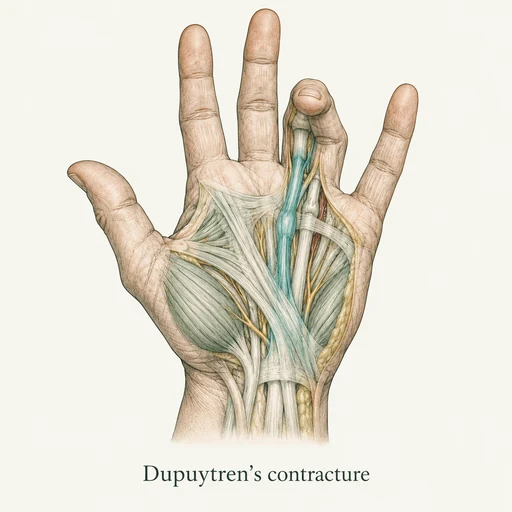
Dupuytren’s Contracture
Dupuytren’s disease causes nodules and cords in the palmar fascia; some cords progressively pull the ring or little finger toward the palm. Unlike trigger finger, the problem is not a flexor tendon catching at a pulley.
View condition & care options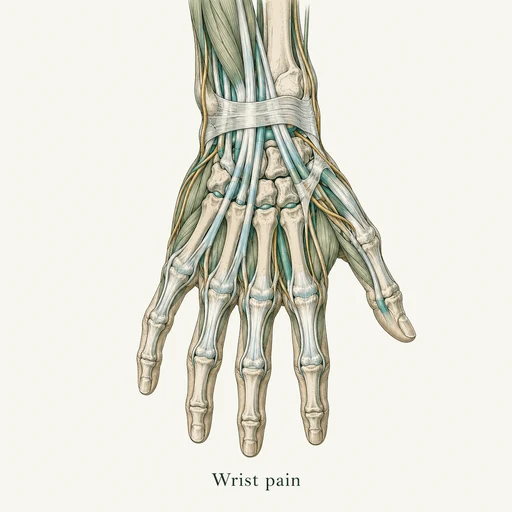
Wrist Pain & Tendinopathy
Wrist pain is a symptom, not a diagnosis. Tendinopathy involves load-related tendon pain, but wrist joints, ligaments, nerves and cartilage can produce similar discomfort.
View condition & care options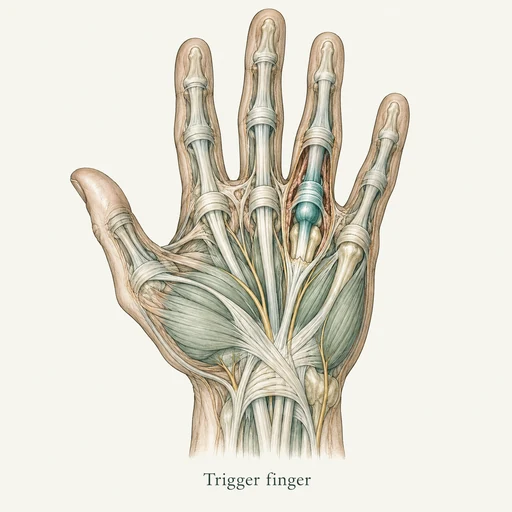
Trigger Finger & Trigger Thumb
Trigger finger (stenosing tenosynovitis) occurs when a flexor tendon catches at a thickened pulley, usually the A1 pulley near the base of a finger or thumb. Clicking, locking and morning stiffness are common.
View condition & care options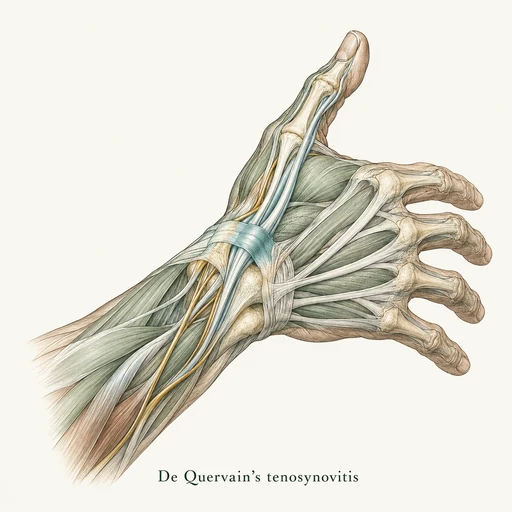
De Quervain’s Tenosynovitis (Texting Thumb)
De Quervain’s affects the thumb-side wrist tendon compartment containing abductor pollicis longus and extensor pollicis brevis. It often hurts with lifting, gripping, thumb movement or picking up a baby. “Texting thumb” is a nickname, not a specific diagnosis.
View condition & care options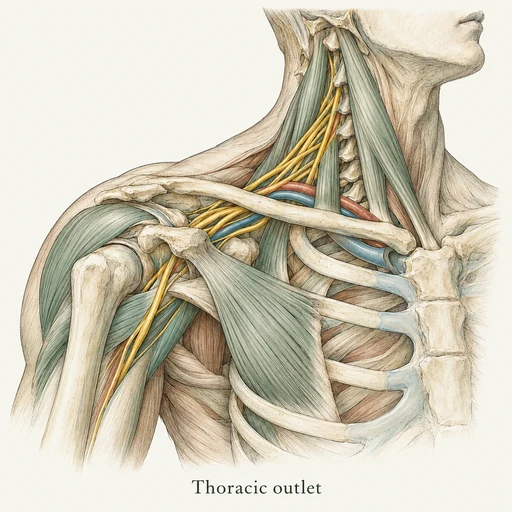
Thoracic Outlet Syndrome (TOS)
Thoracic outlet syndrome describes compression or irritation of nerves or blood vessels around the lower neck and upper chest. Neurogenic TOS affects the brachial plexus; venous and arterial TOS affect blood flow and need medical assessment.
View condition & care options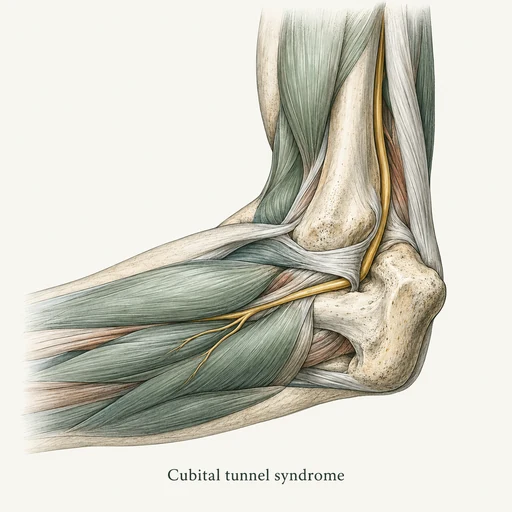
Cubital Tunnel Syndrome (Ulnar Nerve Entrapment)
Cubital tunnel syndrome involves compression or irritation of the ulnar nerve at the elbow. Tingling typically affects the little finger and ulnar half of the ring finger; advanced cases may cause hand weakness and muscle wasting.
View condition & care options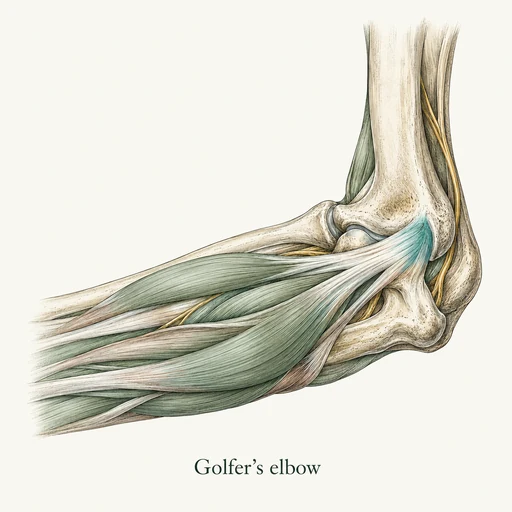
Golfer’s Elbow (Medial Epicondylalgia)
Golfer’s elbow is pain around the common flexor/pronator tendon on the inside of the elbow. It commonly hurts with gripping, lifting and resisted wrist flexion or forearm pronation.
View condition & care options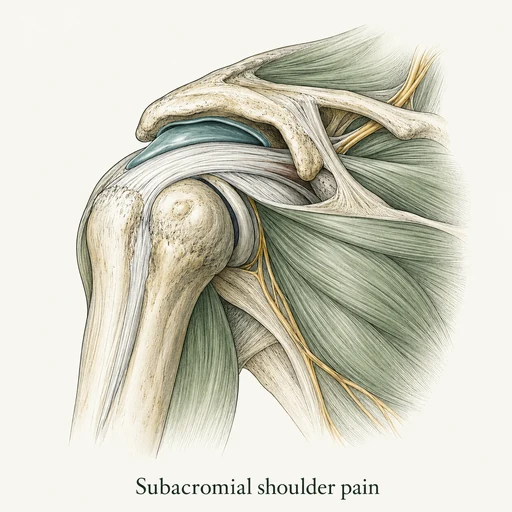
Shoulder Impingement (Subacromial Pain Syndrome)
Subacromial pain syndrome describes pain around the outer shoulder, often aggravated by lifting the arm, reaching or lying on that side. It can involve rotator cuff tendons and surrounding tissues.
View condition & care options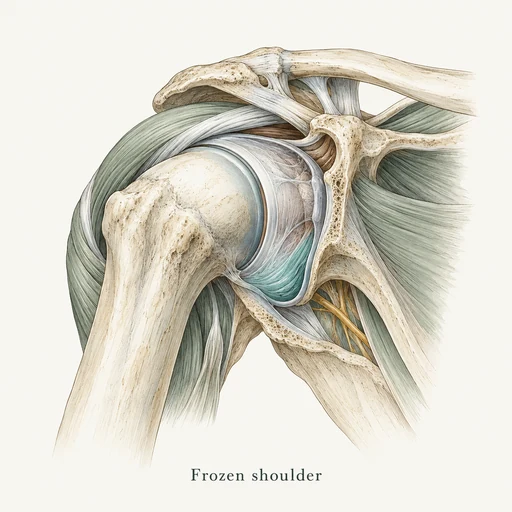
Frozen Shoulder (Adhesive Capsulitis)
Frozen shoulder causes progressive pain and marked loss of both active and passive shoulder movement as the joint capsule becomes stiff. It is more common in middle age, particularly in women, and is associated with diabetes and thyroid disorders.
View condition & care options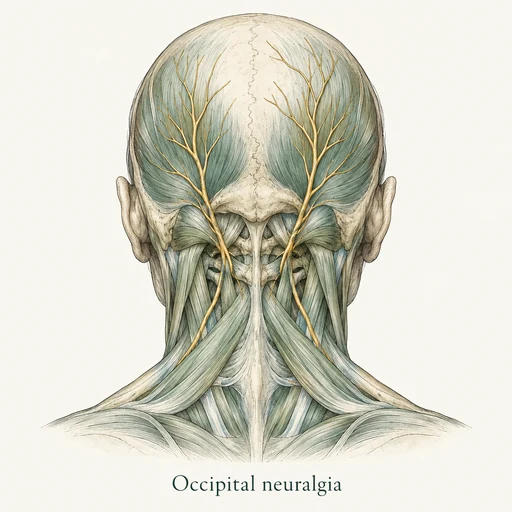
Occipital Neuralgia
Occipital neuralgia involves sudden stabbing, shooting or electric-like pain in the distribution of the greater, lesser or third occipital nerves. The scalp may feel tender or unusually sensitive.
View condition & care options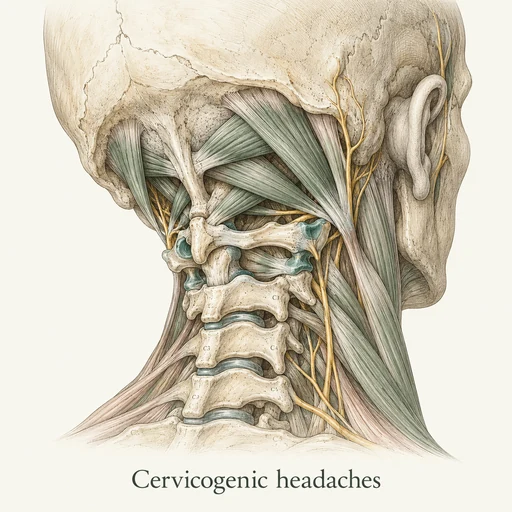
Cervicogenic Headaches
Cervicogenic headache is head pain referred from structures in the cervical spine. It may begin at the back of the head, spread toward the temple or eye, and be provoked by certain neck movements or sustained positions.
View condition & care options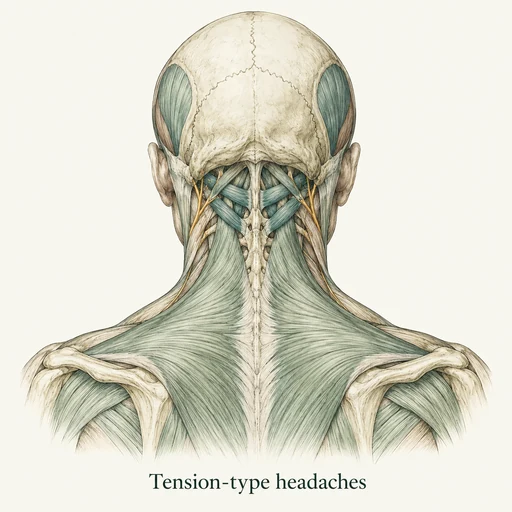
Tension-Type Headaches
Tension-type headache commonly produces mild-to-moderate pressing or tightening pain on both sides of the head. It is not simply a diagnosis of “tight muscles”; pain processing, stress, sleep and muscle tenderness can all play roles.
View condition & care options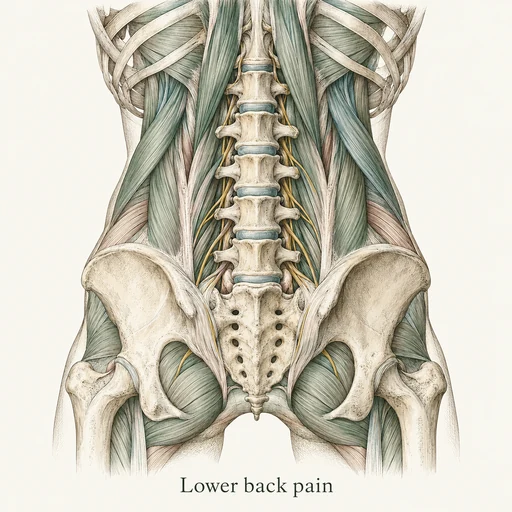
Lower Back Pain
Lower back pain can make sitting at your desk, getting out of the car or lifting groceries unexpectedly difficult. It can feel like a dull ache, stiffness or sharp pain, sometimes extending into the buttocks or legs. Back pain is common, and many episodes improve with appropriate activity and care.
View condition & care options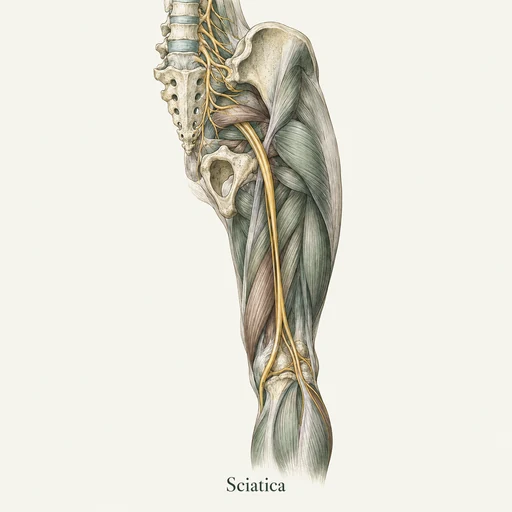
Sciatica
A sharp, burning or electric sensation running from the buttock down a leg can be frightening. Sciatica usually refers to symptoms from irritated lumbar nerve roots; irritation of the sciatic nerve around the buttock can produce similar symptoms. Numbness, tingling and weakness can occur.
View condition & care options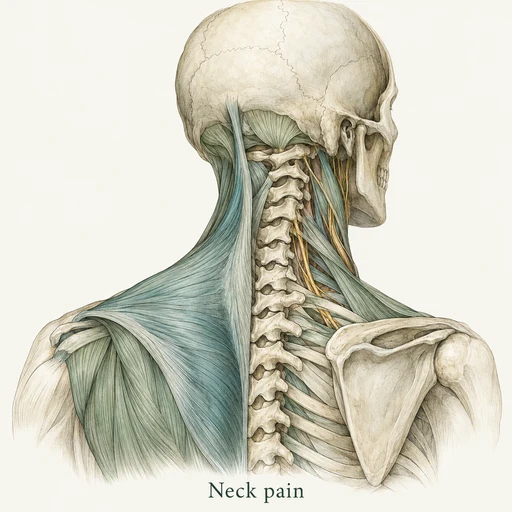
Neck Pain
A stiff neck can turn simple things, like checking your blind spot or looking at a screen, into a challenge. Neck pain may feel tight, achy or sharp, and can occur with headaches or shoulder and upper-back discomfort.
View condition & care options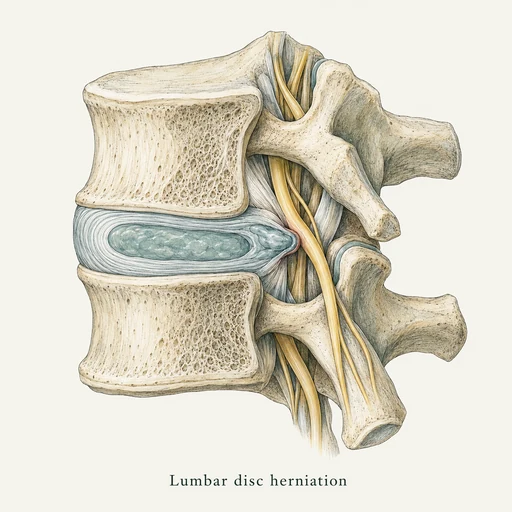
Lumbar Disc Herniation
A lumbar disc herniation happens when disc material extends beyond its usual boundary. It may irritate nearby nerves, producing back pain, sciatica, tingling or weakness, but many disc herniations cause no symptoms. Most people improve without surgery.
View condition & care options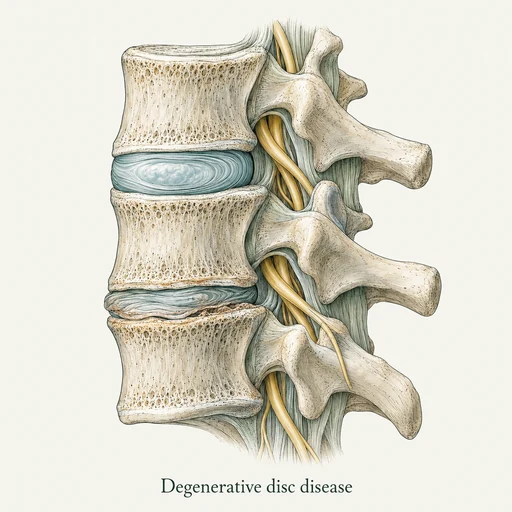
Degenerative Disc Disease
Despite its name, degenerative disc disease describes changes in spinal discs rather than a disease in the usual sense. Discs can lose hydration, flexibility and height over time. These findings are common on imaging and do not always cause pain.
View condition & care options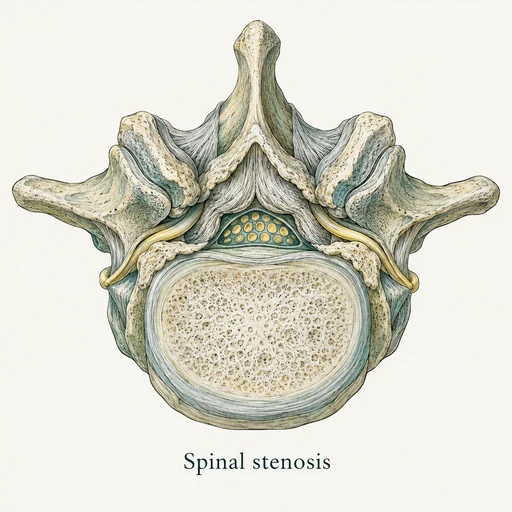
Spinal Stenosis
Walking or standing that brings on leg heaviness or discomfort, followed by relief when you sit or lean forward, can be a clue to lumbar spinal stenosis. Stenosis means narrowing of spaces around spinal nerves or the spinal cord. Some people have narrowing without symptoms.
View condition & care options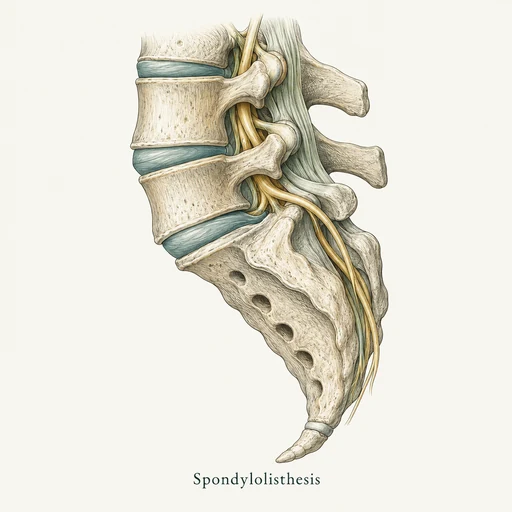
Spondylolisthesis
Spondylolisthesis means one vertebra has shifted forward relative to the one below it. Many people remain active without symptoms, while others experience back pain, stiffness or pain travelling into the legs.
View condition & care options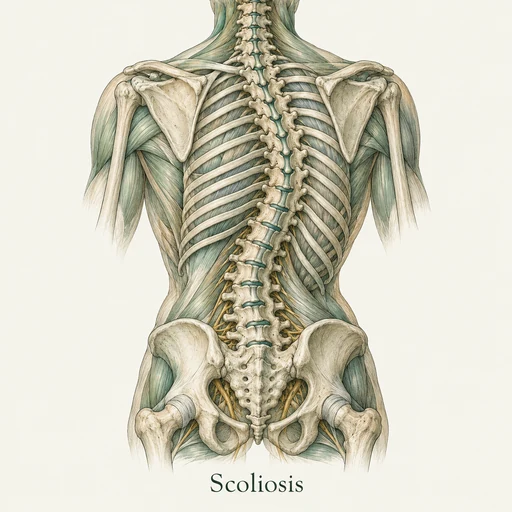
Scoliosis
Scoliosis is a three-dimensional curvature of the spine that can also involve vertebral rotation. One shoulder, hip or side of the rib cage may look more prominent. Some people have no pain; others notice fatigue, stiffness or muscular discomfort.
View condition & care options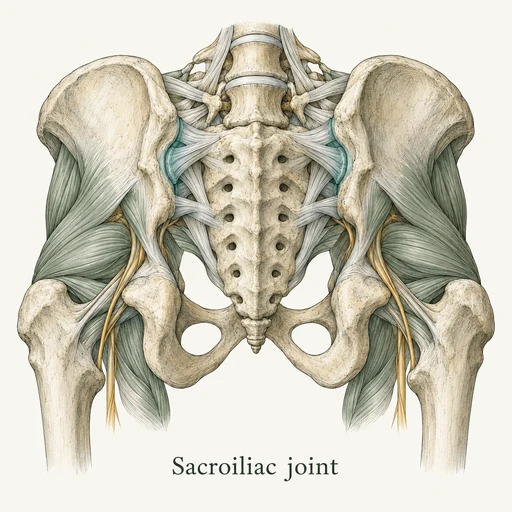
Sacroiliac (SI) Joint Pain
Pain near the small dimples above the buttocks can sometimes come from the sacroiliac joints, which connect the pelvis and spine. It may be felt in the lower back, buttock, groin or thigh and can be noticeable when climbing stairs, getting out of a car or rolling over in bed.
View condition & care options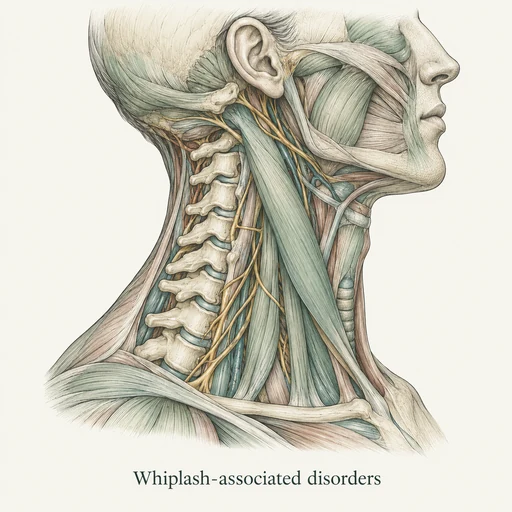
Whiplash-Associated Disorders
Whiplash describes symptoms after a rapid acceleration-deceleration movement of the head and neck, often during a vehicle collision. Neck pain, stiffness, headaches, dizziness, shoulder discomfort and concentration difficulties can develop immediately or over the next several days.
View condition & care options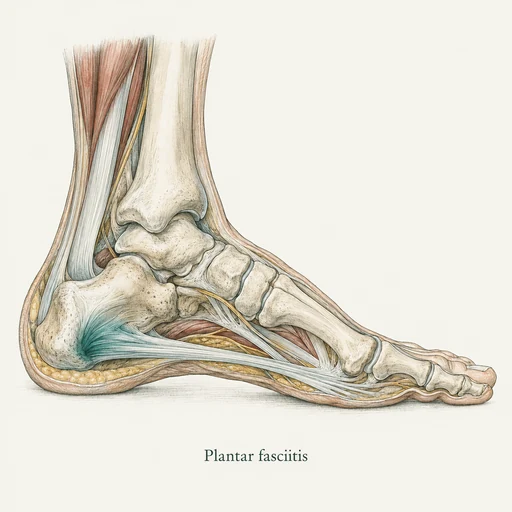
Plantar Fasciitis
One of the most common causes of heel pain: inflammation of the thick tissue band connecting the heel bone to the toes. Typically causes stabbing pain with the first steps in the morning, easing with movement but returning after long periods of standing.
View condition & care options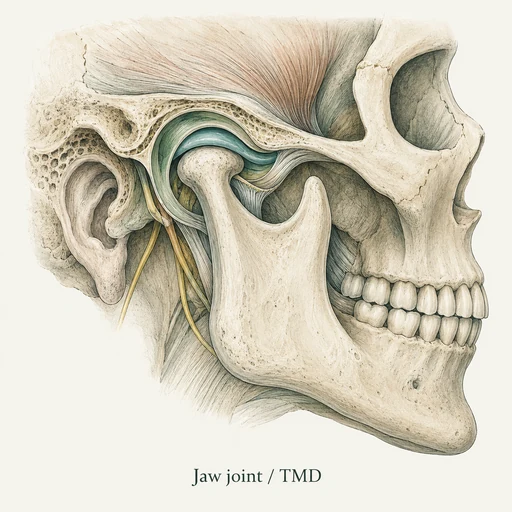
Temporomandibular Disorders (TMD) & Jaw Pain
The temporomandibular joints (TMJs) connect the jaw to the skull. Temporomandibular disorders (TMD) include problems affecting the jaw muscles, joints and related tissues, causing pain, restricted opening, clicking or locking. A painless click alone is often not a disorder requiring treatment.
View condition & care options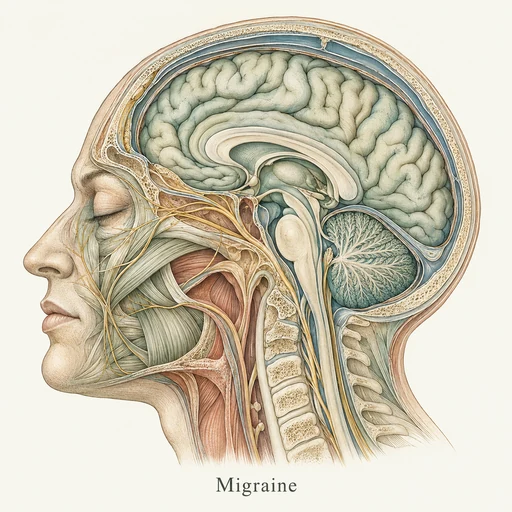
Migraines
Migraine is a neurological disorder with recurrent attacks that may involve throbbing or pulsating head pain, nausea, light and sound sensitivity, and sometimes aura. Some people experience migraine with little or no head pain.
View condition & care options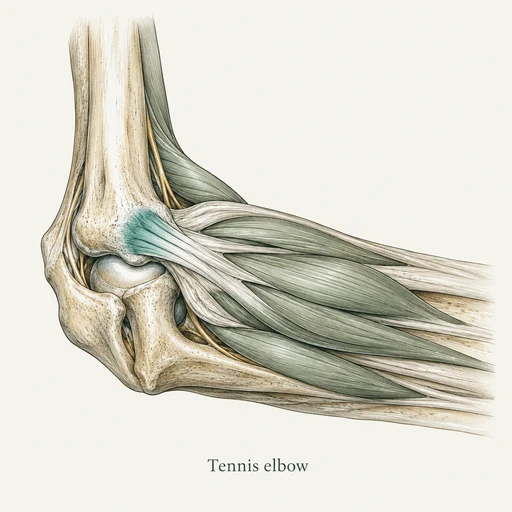
Tennis Elbow (Lateral Epicondylalgia)
Tennis elbow is load-related pain involving the common extensor tendon near the outside of the elbow. Gripping, lifting and wrist extension may be uncomfortable.
View condition & care options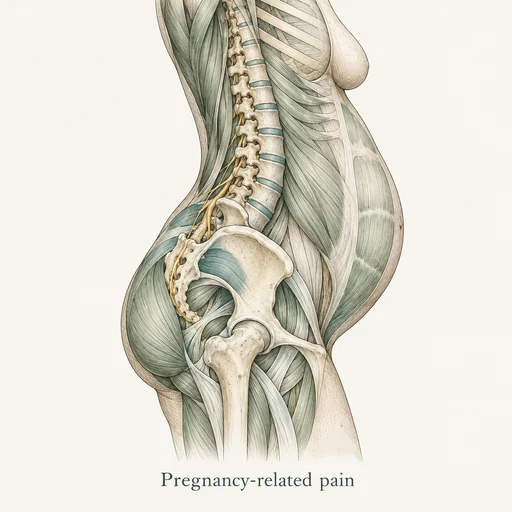
Pregnancy-Related Pain & Tension
Pelvic, low back, hip, and pubic pain during pregnancy often arise from the sacro-iliac and symphysis pubis joints as pregnancy hormones loosen supporting ligaments; mid-back and neck pain are also common as spinal load shifts.
View condition & care options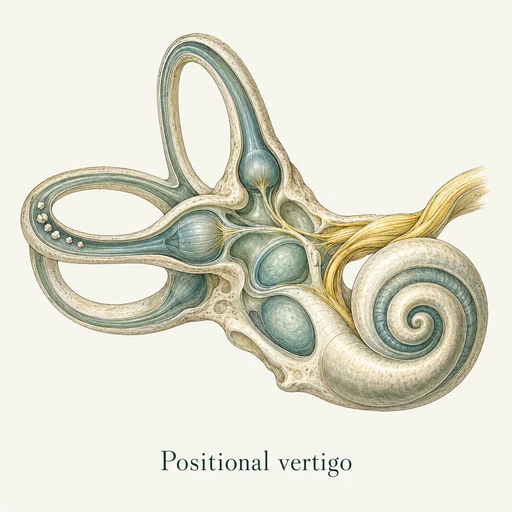
BPPV & Positional Vertigo
Benign paroxysmal positional vertigo (BPPV) causes brief episodes of spinning triggered by changes in head position. Tiny calcium carbonate particles (otoconia) move into an inner-ear semicircular canal, disturbing its motion sensors. Episodes usually last seconds to under a minute, although nausea and lingering unsteadiness may follow.
View condition & care options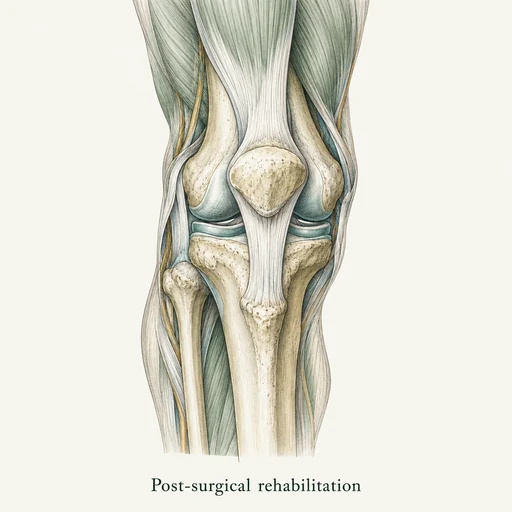
Joint Replacement & Post-Surgical Rehabilitation
Recovery is staged: healing from the surgery itself (Class IV laser can speed healing and reduce scar tissue), mobilizing the area, rebuilding strength, and finally restoring balance and coordination.
View condition & care options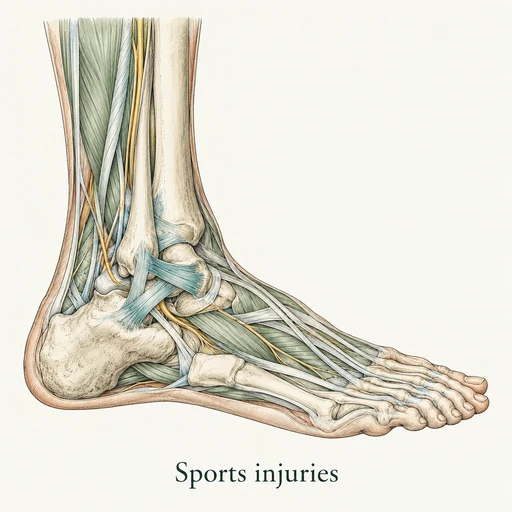
Sports Injuries
Overuse, direct impact, or force beyond what a body part can structurally withstand — sprains, strains, fractures, joint injuries, and dislocations.
View condition & care options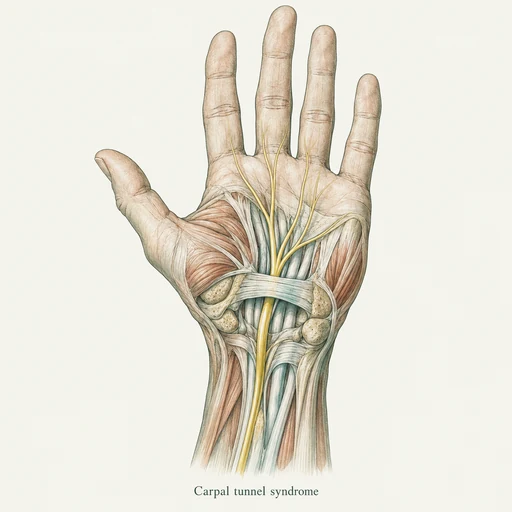
Carpal Tunnel Syndrome
Carpal tunnel syndrome is compression of the median nerve at the wrist, commonly causing numbness or tingling in the thumb, index, middle and thumb-side ring finger, especially at night. Advanced cases may cause thumb weakness or muscle wasting.
View condition & care options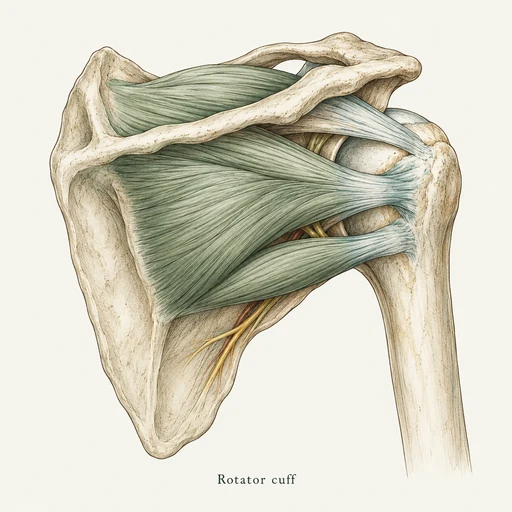
Rotator Cuff Injuries & Tendinopathy
The rotator cuff consists of four muscles and their tendons that help control and stabilize the shoulder. Problems range from load-related tendinopathy and bursitis-associated pain to partial- or full-thickness tendon tears.
View condition & care options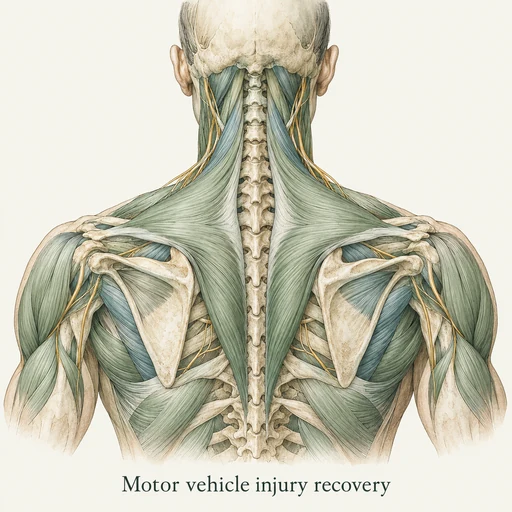
Motor Vehicle Accident Injuries
Whiplash, concussion, joint sprains, muscle/tendon strains, and headaches are all common after a motor vehicle accident.
View condition & care optionsICBC FAQs
Looking for care after a motor vehicle accident? Our care coordinators can help with appointment and billing questions.
ICBC coverage and frequently asked questions